Tangerine Font Review for Small Business Embroidery
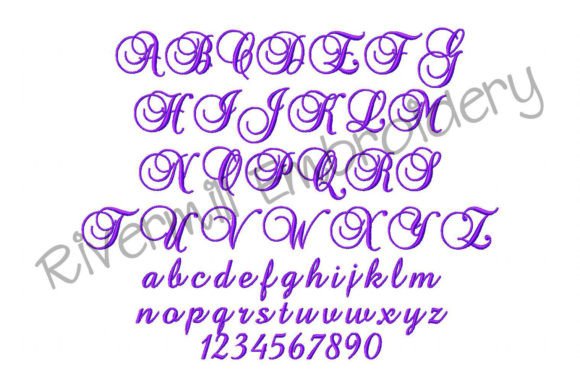
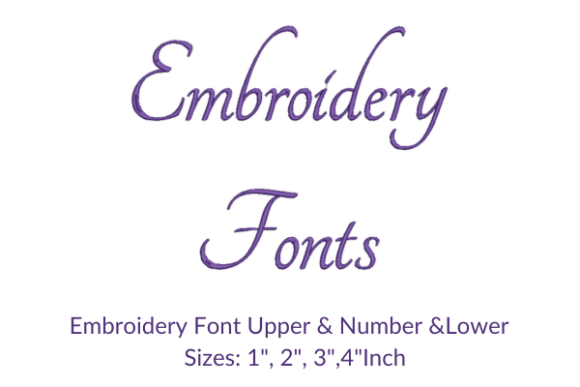
As an experienced embroidery designer, I spend a significant amount of time evaluating digital assets before they hit the production floor. When a new embroidery file arrives in my inbox, I don’t just look at the aesthetic; I assess its viability for commercial application. Today, I am reviewing the Tangerine Font, a design categorized under School and Embroidery that promises to help personalize designs with names, dates, or quotes. But does it hold up when stitched into high-stakes environments like branded patches, staff uniforms, and boutique merchandise? Let’s dive into a practical review focused on small business owners, Etsy sellers, and apparel decorators.
First Impressions: Visual Personality and Professionalism
The name "Tangerine" immediately evokes a sense of warmth, energy, and approachability. From a design perspective, this font likely carries a playful yet polished character. It feels less rigid than a standard sans-serif and more structured than a casual script. For a small business, this balance is crucial. You want your brand to feel friendly without appearing unprofessional.
When I first visualize this machine embroidery design, I imagine it working exceptionally well for brands that want to project creativity and care. Whether you are running a handmade shop, a creative studio, or a local bakery, this font adds a touch of personality that static logos often lack. It suggests a premium, curated experience. The description highlights its ability to write names and quotes, which points toward a versatile utility that goes beyond simple branding—it invites personalization, a key driver for customer engagement in the handmade market.
Real-World Applications for Merch and Branding
For small business owners, versatility is king. Here is how Tangerine Font can elevate specific product categories:
- Embroidered Patches: This font is ideal for creating custom embroidered patches. Imagine a boutique selling personalized name patches for children’s backpacks or custom monograms for adults. The clean lines of the font ensure readability even at smaller sizes, making it perfect for chest logos or sleeve accents.
- Staff Uniforms and Aprons: In the food and beverage industry, consistency matters. Using Tangerine Font for apron embroidery allows café owners to display staff names or daily specials with a stylish flair. It bridges the gap between functional workwear and branded marketing material.
- Caps and Headwear: Cap embroidery requires fonts that curve well and remain legible from a distance. If Tangerine Font has a moderate stroke weight, it will perform beautifully on the front panel of baseball caps or beanies, serving as a subtle but effective brand mark for trade shows or corporate gifts.
- Tote Bags and Product Packaging: For Etsy sellers and crafters, tote bags are a staple. A tote bag design featuring Tangerine Font for a short quote or brand name can significantly increase perceived value. It transforms a plain canvas item into a fashion accessory that customers are proud to carry, extending your brand visibility outside your store.
- Custom Apparel and Gifts: Personalized gifts drive sales. Whether it’s a date on a commemorative shirt or a quote on a baby onesie, this font allows for emotional connection through text. It works well for event merch, wedding favors, or corporate swag where a personal touch is required.
Brand Identity and Customer Trust
In the world of small business merch, visual consistency builds trust. When a customer sees a cohesive use of typography across your design assets, from your website to your physical products, it signals professionalism. Tangerine Font, with its likely warm and inviting tone, helps humanize your brand. It tells the customer that there is a real person behind the product, which is essential for handmade products competing against mass-produced items. By using a distinct font like this, you enhance brand identity and make your products instantly recognizable in a crowded marketplace.
Technical Considerations and Potential Pitfalls
While the aesthetic appeal is strong, every embroidery designer knows that screen perfection does not always translate to stitched reality. There are several areas where caution is advised when using Tangerine Font for commercial projects.
Small Patch Sizes and Detail: If you plan to use this font on very small patches (under two inches), you must scrutinize the letter spacing. Fine details in the font may merge together during stitching, resulting in a muddy appearance. Always test at the actual intended size to ensure legibility.
Curved Surfaces and Hoop Size: Embroidering on curved surfaces like caps or sleeves introduces distortion. The font needs to have enough structural integrity to withstand the tension of the fabric being pulled into the hoop. Additionally, confirm the hoop size requirements. If the design requires a large hoop for complex fills, it may limit the types of garments you can embroider efficiently.
Stitch Density and Fabric Texture: High stitch density can make fabric stiff and uncomfortable, especially on delicate materials. Check the stitch density of the file. If it is too dense, it may pucker thin cotton or distort knitted fabrics. Conversely, on textured fabrics like heavy denim or wool, the thread might get lost if the contrast isn't sharp. Ensure you select appropriate thread colors that stand out against your specific fabric choices.
Washability and Durability: For items like work shirts or aprons that undergo frequent washing, the stability of the embroidery is paramount. Loose threads or poor underlay can lead to premature wear. Always inspect the finished product for loose ends and ensure the stabilizer used matches the fabric weight to prevent shifting during laundering.
Practical Designer Notes for Production
To ensure the best results when incorporating Tangerine Font into your commercial embroidery workflow, follow these essential steps:
- Test in Black and White: Before committing to color, view the design in grayscale. This helps identify any spacing issues or legibility problems that color might mask.
- Check Thread Contrast: Evaluate various thread colors against your target fabric. Light threads on dark fabric or vice versa generally offer the best readability.
- Inspect Spacing and Kerning: Zoom in on the digital preview. Are the letters too close together? Will they overlap when stitched? Proper spacing is critical for a clean finish.
- Confirm Hoop Size: Verify that the design fits within your machine’s standard hoops to maximize efficiency and minimize re-hooping errors.
- Test on Real Fabric: Never rely solely on a digital preview. Stitch the design on the actual fabric type you intend to use. This reveals how the fabric texture interacts with the thread and whether additional stabilizer support is needed.
- Create a Printable Mockup: Use a printable mockup to present the design to clients for approval. This manages expectations and ensures the final product aligns with their vision.
- Compare with Other Assets: Place Tangerine Font alongside your other design assets to ensure visual harmony. Does it clash with your logo or other graphics?
- Verify Commercial Licensing: Most importantly, confirm the licensing terms. Ensure you have the right to use this digital embroidery file for commercial purposes, such as selling finished goods. Do not assume permission; check the provider’s terms explicitly.
Final Verdict
Tangerine Font offers a compelling option for designers looking to add a personalized, professional touch to their merchandise. Its potential for enhancing brand identity and engaging customers through customization makes it a valuable tool for small businesses. However, success lies in the preparation. By carefully testing stitch density, fabric compatibility, and sizing, you can transform this digital asset into a stunning finished product that drives sales and builds loyalty. Remember to always prioritize quality control and proper licensing to protect your business reputation.