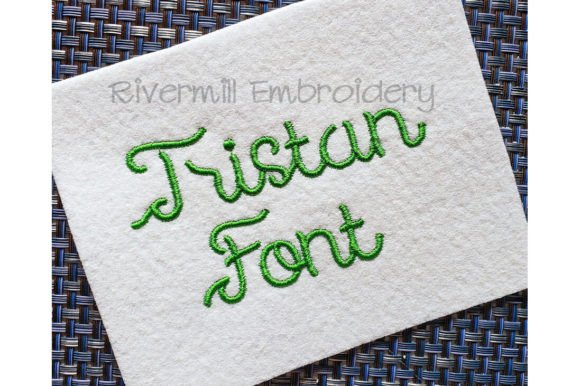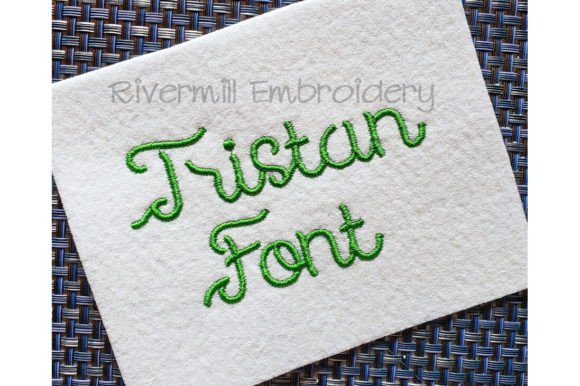
3 Tristan Embroidery Font Review for Small Business Merch
As an experienced embroidery designer who has spent years refining digital assets for commercial use, I approach every new font with a critical eye. The difference between a decorative element and a functional brand asset often comes down to stitch density, spacing, and how well the design translates from screen to fabric. Today, I am reviewing the 3 Tristan Embroidery Font, a set designed specifically for machine embroidery projects ranging from small business merchandise to custom branded patches.
This review focuses on practical application for shop owners, Etsy sellers, apparel decorators, and creative entrepreneurs. We will explore how this embroidery file performs in real-world scenarios, including staff uniforms, cap designs, tote bags, and product labels. If you are looking to elevate your brand identity through tactile, high-quality stitching, understanding the nuances of this font is essential before you commit to production.
First Impressions: Personality and Visual Appeal
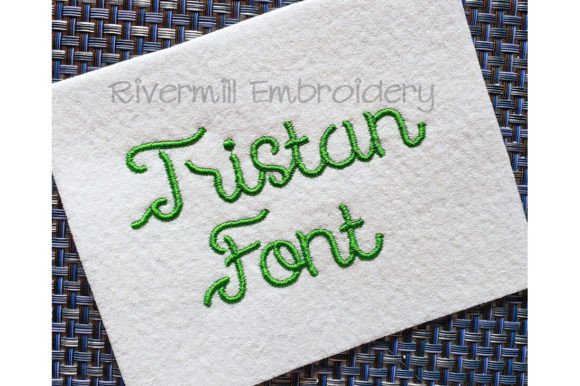
The name 3 Tristan Embroidery Font suggests a specific character. Based on standard naming conventions in the industry and the inclusion of three distinct sizes, this set promises versatility. When I first opened the PES format files, my initial assessment focused on the line quality and the balance between the upper and lower case letters. Does it feel professional, or does it lean too heavily into playful? For a small business, the answer determines whether the font works for a boutique bakery or a high-end leather goods studio.
In the context of school related items or community events, this font appears to offer a classic yet modern aesthetic that bridges the gap between handwritten charm and corporate legibility. The inclusion of numbers 0-9 alongside full alphabet characters makes it a robust tool for creating price tags, inventory labels, and event merchandise. However, the visual personality must be tested against your specific brand voice. Is your brand rustic and handmade, or sleek and premium? This font seems to cater well to brands that value a "handcrafted" presentation without sacrificing readability.
Real-World Application for Small Business Merch
One of the most common questions I receive from clients is where to place their logo or text on a garment or accessory. The 3 Tristan Embroidery Font offers flexibility here because of its availability in three different sizes. This allows for a hierarchical approach to your small business merch design.
- Embroidered Patches: For businesses selling sew-on patches as a revenue stream, the medium size of this font is ideal for chest logos or back-of-jacket statements. The letterforms appear sturdy enough to hold their shape when cut out and edged, provided the stitch density is appropriate.
- Cap Embroidery: Curved surfaces like baseball caps require fonts that do not distort easily. The three-size variation allows you to scale the text to fit the front panel of a cap without losing definition. It works particularly well for simple, bold branding on work shirts or promotional hats.
- Tote Bag Design: Canvas and cotton totes are excellent candidates for this type of digital embroidery file. A large-scale application across the front of a bag can serve as a walking billboard. The contrast of thread against the fabric texture brings out the depth of the design.
- Apron Embroidery: For bakeries, florists, or craft studios, aprons are a staple. Using the smaller size for a subtle tag near the hem or the larger size for a main logo on the bib creates a cohesive look. This font adds a touch of elegance to utilitarian garments.
- Product Packaging Accents: Don't forget the unboxing experience. Adding a small embroidered label with the 3 Tristan Embroidery Font to the inside of a garment or on a hangtag elevates the perceived value of the finished product.
Strategic Considerations and Limitations
While the potential is high, there are specific areas where caution is required. As a designer, I have seen beautiful fonts fail simply because they were applied to the wrong surface or size. Here is where you should exercise care when using this set.
Small Patch Sizes: If you plan to create very small patches (under 2 inches), the detail in the font may become lost. Tiny lettering requires high stitch counts to maintain clarity, which can lead to puckering if the stabilizer isn't chosen correctly. Always test the smallest size at the intended final dimensions.
Curved Surfaces and Cap Fronts: While scalable, curved surfaces can stretch the threads. Ensure that the font's stroke width is sufficient to withstand the tension of the cap curve. If the lines are too thin, they may break or look uneven after washing.
Fabric Texture and Dark Uniforms: The performance of any machine embroidery design depends heavily on the background material. On textured fabrics like heavy denim or bouclé, fine details might get swallowed by the weave. Similarly, on dark uniforms, you must ensure you have enough underlay stitches to prevent the fabric color from showing through the thread colors. A light-colored font on a dark shirt requires careful planning to avoid a "see-through" effect.
High Stitch Density: Some fonts rely on dense fills to create a solid look. If this font has high density, frequent washing could cause the fabric to stiffen or the stitches to wear down over time. Check the stitch information provided for the letter "A" and "a" to gauge the overall density before running a bulk order.
Impact on Brand Identity and Customer Trust
Embroidery is more than just decoration; it is a statement of durability and quality. When customers see a well-executed logo on a uniform or a tote bag, it signals professionalism. The 3 Tristan Embroidery Font contributes to this perception by offering clean lines and consistent spacing. In the world of Etsy branding and craft business assets, consistency is key. Using a font that looks good on a website but fails on fabric can damage credibility.
A well-placed embroidered mark fosters customer trust. It suggests that the business cares about the details. Whether it is a pet brand putting a patch on a collar or a local café branding their aprons, the font helps establish a visual language that customers recognize. This visual consistency directly impacts buyer engagement and repeat sales.
Practical Designer Notes for Production
Before you send this embroidery file to the hoop, follow these steps to ensure a successful outcome. These notes are based on years of troubleshooting commercial projects.
- Test in Black and White First: Create a printable mockup to visualize the layout. See how the font interacts with your existing graphics before committing thread to fabric.
- Check Spacing and Hoop Size: Verify that the letter spacing (kerning) is appropriate for your chosen size. Ensure the total design fits within your standard hoop size to avoid re-hooping errors.
- Review Thread Color Contrast: High contrast is crucial for legibility. Test your thread choices on the actual fabric you intend to use. What looks bright on screen may appear dull on canvas.
- Inspect Stitch Density: Look at the stitch information shown for the letter "A" and "a". If the density is too high for the fabric weight, reduce it in your digitizing software or choose a lighter fabric.
- Use Proper Stabilizer: The right stabilizer is non-negotiable. For cap embroidery, use a tear-away or cut-away backing depending on the hat material. For delicate fabrics, a water-soluble top stabilizer can prevent distortion.
- Test on Real Fabric: Never assume a design will work perfectly until you stitch it on the actual material. Run a test swatch to check for puckering, thread breaks, or color bleeding.
- Confirm Commercial Licensing: Before using this font for mass-produced custom apparel, verify that your license allows for commercial resale. This protects your business from legal issues.
The 3 Tristan Embroidery Font is a versatile addition to any designer's library. By understanding its strengths and respecting its limitations, you can create stunning embroidered patches, durable uniforms, and memorable branded products. Remember, the goal is not just to make something pretty, but to create a lasting impression that aligns with your business values. With careful planning and testing, this font can become a cornerstone of your brand identity.