Script Embroidery Font Number Eight: A Real-World Review
When I first opened the folder for Script Embroidery Font Number Eight, my immediate thought wasn't about file formats or machine compatibility. It was about the mood. There is a specific kind of elegance that comes from a well-executed script font, and this design carries that energy effortlessly. As someone who spends hours evaluating designs for client projects and my own handmade shop, I look for more than just a pretty shape; I need to know how it will hold up under the needle and in the hands of a customer.
This machine embroidery design feels like it belongs in spaces that value personal touch and warmth. The letterforms have a fluid personality that suggests creativity without being chaotic. It strikes a balance between formal and friendly, making it an excellent candidate for everything from boutique branding to personalized gifts. But does it translate well from the screen to the fabric? That is the question every serious crafter asks before committing to a production run.
First Impressions and Visual Personality
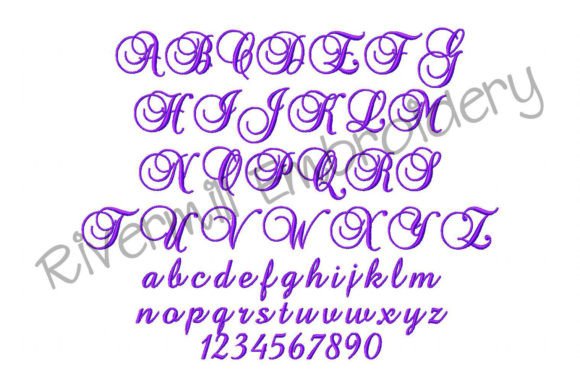
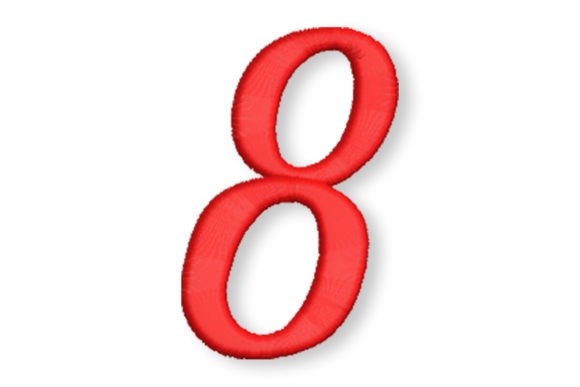
The visual appeal of Script Embroidery Font Number Eight lies in its flow. Unlike blocky fonts that can feel rigid on soft goods, this script invites the eye to move across the design naturally. When you look at the digital preview, the strokes appear connected yet distinct, which is crucial for maintaining readability after stitching. The curves are rounded enough to avoid snagging but defined enough to prevent the letters from looking muddy once they are stitched into place.
I found myself immediately imagining this font on various textures. On a crisp white cotton tee, it would likely pop with high contrast. On a dark denim tote bag, the thread colors chosen would need to be vibrant to maintain that legibility. The design feels particularly suited for school-related themes, as hinted by its category, but its versatility extends far beyond the classroom. It has a timeless quality that could work beautifully for wedding favors, holiday ornaments, or even professional business cards if applied to a fabric patch.
The layout creates a sense of rhythm. When used for a single word or a short phrase, the spacing allows each character to breathe. This is often where lesser-quality designs fail; they crowd the letters together, resulting in a blob of thread rather than clear text. Script Embroidery Font Number Eight seems designed with enough negative space to let the stitch density do its job without overwhelming the fabric.
Real-World Application: From Screen to Stitch
To truly understand the potential of this design, I put it through a mental simulation of a real project scenario. Imagine preparing a custom embroidered sweatshirt for a local youth sports team or a creative workshop group. The goal is to create something that looks professional but retains a handmade charm. Placing Script Embroidery Font Number Eight across the chest of a fleece hoodie would create an instant focal point.
However, the devil is in the details. When working with a sweatshirt, the fabric has a bit of give. A script font needs to account for this stretch. If the design is too dense, it might pucker the material over time, especially after washing. Conversely, if the stitches are too sparse, the texture won't show up well against the fuzzy surface of the fleece. Based on the clean lines of the digital file, I believe this design handles medium-density fill stitches well, provided the correct stabilizer is used underneath.
Let's consider another scenario: creating personalized baby items. A onesie or a small bib is a delicate canvas. The font needs to be legible but not aggressive. The soft curves of Script Embroidery Font Number Eight fit perfectly here. It conveys a gentle, nurturing vibe that parents love. For a nursery decor piece, like a pillow cover, the design could be used to spell out a child's name or a sweet sentiment. The key here is thread color selection. Pastel threads on a light background might get lost, while bold colors on a neutral fabric would make the design sing.
For Etsy sellers and craft fair vendors, the presentation matters immensely. Customers want to see that the finished product looks polished. A well-stitched script font adds a layer of perceived value to a handmade item. It signals that the maker cares about aesthetics and quality. Whether it is an apron for a cooking class or a kitchen towel for a holiday gift, Script Embroidery Font Number Eight elevates the item from a simple utility object to a keepsake.
Navigating Challenges and Limitations
While the design is promising, no embroidery project is without its hurdles. There are specific situations where Script Embroidery Font Number Eight requires careful handling. One of the most critical factors is hoop size. If you attempt to embroider this script on a very small area, such as a standard hat brim or a tiny pocket square, the details might get lost. Script fonts rely on the continuity of their strokes; if the curve is compressed too much, the letters can become indistinguishable.
Textured fabrics also present a challenge. While the design looks great on smooth cottons and linens, applying it to a heavily textured wool or a rough burlap sack can obscure the finer details of the script. The uneven surface can cause the needle to skip or the thread to catch, leading to irregular stitch patterns. In these cases, using a cut-away stabilizer is essential to support the fabric and ensure the design lays flat.
Stretchy fabrics require extra attention. If you are working with jersey knit or spandex blends, the tension of the embroidery thread can distort the garment. It is vital to test the design on a scrap piece of the same material before running a full batch. Additionally, when designing for commercial use, consider the durability of the finish. Items that will undergo frequent washing, like towels or aprons, need robust stitch density to prevent fraying or unraveling over time.
Another consideration is the contrast between the thread and the fabric. Dark fabrics demand bright, opaque threads to ensure the script stands out. Light fabrics offer more flexibility but can sometimes make darker threads look heavy. Always review your design in black and white mockups to check the silhouette and ensure the shapes remain clear regardless of the color combination.
Practical Designer Notes for Success
If you are planning to incorporate Script Embroidery Font Number Eight into your workflow, there are several steps you should take to guarantee a professional result. First and foremost, always test the design on scrap fabric. This simple step can save you from ruined garments and wasted time. Check the stitch density closely; if the design feels too heavy, you may need to adjust the settings on your machine or choose a lighter stabilizer.
Confirming the embroidery file formats is equally important. Since this design comes with multiple formats compatible with various machines, ensure that the file matches the capabilities of your specific equipment. Some older machines may struggle with complex script files, so having a backup format is a smart strategy. Also, verify the licensing terms if you intend to sell finished products. Understanding whether you can use the design for commercial projects is crucial for protecting your business.
Inspect the small details of the script before finalizing your project. Look for any jagged edges or inconsistent spacing that might indicate a digitization error. Use proper stabilizer to support the fabric during the stitching process, and pay close attention to thread colors. High-quality threads not only look better but also last longer. Finally, compare the design on both light and dark backgrounds to ensure it meets your aesthetic standards.
In conclusion, Script Embroidery Font Number Eight is a versatile and attractive option for anyone looking to add a touch of sophistication to their embroidery projects. Its fluid style makes it suitable for a wide range of applications, from school merchandise to boutique apparel. By following best practices and paying attention to the nuances of fabric and thread, you can create finished products that customers will cherish. Whether you are a hobbyist or a seasoned entrepreneur, this design offers a solid foundation for your next creative endeavor.