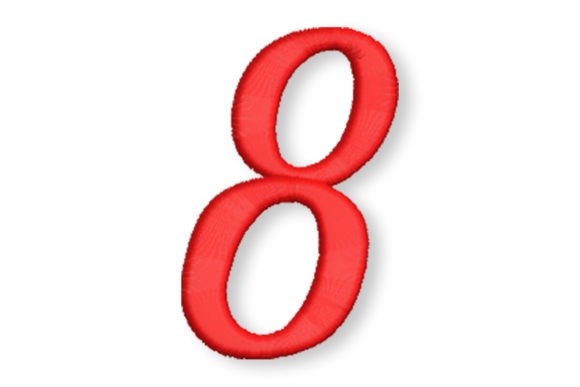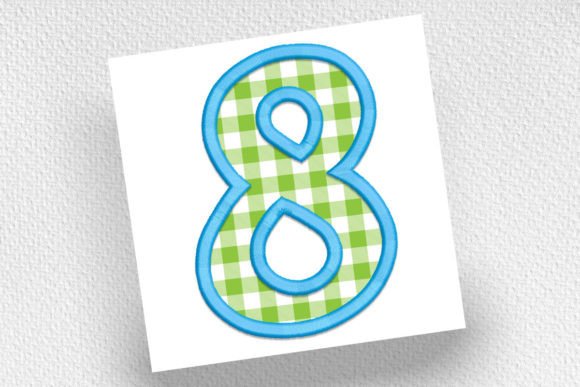
Number 8 Applique: A Designer's Real-World Review
When I first opened the file for Number 8 Applique, my immediate reaction was a mix of curiosity and practical skepticism. As someone who has stitched thousands of designs for clients ranging from local schools to boutique apparel brands, I know that the difference between a design that looks great on a screen and one that holds up in the real world often comes down to how it handles texture and structure. This isn't just another generic digitized number; it is an applique design meant to bring a tactile dimension to your projects.
The concept is simple yet effective: using fabric pieces cut to shape rather than relying solely on thread to create the figure. For an embroidery enthusiast or a small business owner looking to elevate their product line, this approach offers a distinct advantage. The visual weight of applique creates a sense of depth that standard satin stitches often struggle to achieve. In the context of a school project or a personalized gift, this design feels robust and intentional, signaling quality before the customer even touches the item.
First Impressions and Visual Personality
The mood of Number 8 Applique is playful but grounded. Unlike thin, delicate scripts that can look fragile on heavy fabrics, this design commands attention through its solid form. The layout suggests a design that belongs on items where durability matters as much as aesthetics. When you visualize this on a tote bag or a baby onesie, the applique technique immediately suggests a premium feel.
What stands out most is the potential for creativity with thread colors. Since the core shape is created by fabric, the stitching around the edges—likely a combination of satin stitch and perhaps some decorative running stitch—serves to anchor the piece while adding a layer of detail. It invites the designer to play with contrast. Imagine pairing a denim scrap with gold thread, or a soft pastel felt with a darker outline. This flexibility makes it a versatile asset for any creative entrepreneur looking to offer unique variations without needing to re-digitize the file.
Real-World Application: The Tote Bag Scenario
To truly understand how Number 8 Applique performs, let's imagine a specific scenario. You are preparing a custom order for a local elementary school fundraiser. The client wants a set of durable tote bags featuring a large, bold number "8" to represent a lucky jersey or a team spirit logo. They need something that will survive frequent washing and rough handling by children.
In this situation, standard embroidery might fray or lose definition over time. However, applying the applique design transforms the outcome. By cutting the "8" from a sturdy canvas or cotton twill and stitching it onto the bag, you create a patch-like effect that resists wear. The fabric itself becomes part of the design, adding a texture that thread alone cannot replicate. Customers picking up these bags would likely notice the raised surface and the clean edges, associating that physical quality with the brand's reliability. For an Etsy seller or a craft fair vendor, this level of detail is exactly what separates a mass-produced item from a handmade treasure.
This same logic applies to other high-use items like sweatshirts, aprons, or kitchen towels. The structural integrity of applique means the design won't distort when the fabric stretches or moves. Whether it is a graduation cap decoration or a nursery pillow cover, the design maintains its shape and presence.
Where Caution is Required
While Number 8 Applique is powerful, it is not a universal solution for every single project. An experienced designer knows that success lies in knowing where to draw the line. One area where caution is necessary involves small hoop sizes. If you attempt to place this design on a very small item, such as a baseball cap crown or a tiny baby sock, the fabric layers required for applique might make the finished product bulky and uncomfortable. The bulk could cause the fabric to pucker or the design to sit awkwardly on curved surfaces.
Another critical consideration is fabric texture. While applique works beautifully on stable weaves like cotton, linen, or denim, it can be tricky on highly textured fabrics like bouclé or loosely woven knits. The base fabric needs to be flat enough to support the additional layers without shifting during the stitching process. Similarly, on stretchy fabrics like athletic wear, the added weight of the applique fabric might restrict the natural movement of the garment unless a stabilizer is used effectively.
Dense stitch areas also warrant attention. If the digitization includes too much fill stitch around the edges, the design may become stiff and difficult to press. For a finished product that needs to drape well, such as a dress or a lightweight shirt, excessive density can ruin the hand-feel of the cloth. Always inspect the stitch density in your software before committing to a production run.
Impact on Brand and Customer Trust
Using a design like Number 8 Applique directly influences the perceived value of your work. In the world of handmade products and commercial embroidery, customers are increasingly discerning. They can tell the difference between a flat print and a layered, textured application. When you deliver a finished product where the number "8" has the subtle sheen of fabric and the security of precise stitching, you build trust.
This design elevates the presentation of your goods. For a holiday gift or a wedding favor, the extra effort involved in setting up an applique project signals care and attention to detail. It tells the recipient that this item was made specifically for them, enhancing the emotional connection. For a small shop owner, this translates into repeat business and positive reviews. The design acts as a visual cue of professionalism, reinforcing the idea that your brand values quality craftsmanship.
Practical Notes for the Embroidery Designer
If you are planning to incorporate Number 8 Applique into your workflow, there are several technical steps you must take to ensure success. First and foremost, always test the design on scrap fabric before working on your final project. This allows you to check how the fabric interacts with the machine and whether the tension settings need adjustment for the added layers.
Pay close attention to thread color contrast. Because the design relies on fabric color, the choice of thread for the edge stitching becomes crucial. You want the thread to define the shape without overwhelming it. If you are unsure about the final look, try creating a black and white mockup to see if the contrast holds up. Also, verify the hoop size requirements in your digitizing software to ensure the design fits within your machine's capabilities.
Stabilizer selection is non-negotiable. Applique designs generally require a stronger hold than standard embroidery to prevent the fabric pieces from shifting. Use a cut-away stabilizer for stability, especially on items that will be washed frequently. Before starting, confirm whether the digital file includes instructions for the backing fabric or if you need to source that separately. Additionally, double-check the licensing terms if you intend to sell finished items. Some digital embroidery files have restrictions on commercial use, so ensuring you have the right permissions protects your business from legal issues.
Finally, consider the versatility of the design assets. Can you easily swap out the background fabric colors to match different themes? Does the design scale well for larger applications like banners or wall hangings? These questions will help you determine the true value of Number 8 Applique for your specific portfolio.
Ultimately, Number 8 Applique is more than just a digitized file; it is a tool for storytelling through texture. Whether you are creating a personalized gift for a family member or building a line of boutique merchandise, this design offers the depth and durability that modern consumers appreciate. By approaching it with careful planning and respect for the materials, you can turn a simple number into a standout feature of your next embroidery project.