Applique Number 1 Review for Craft Fair Sellers
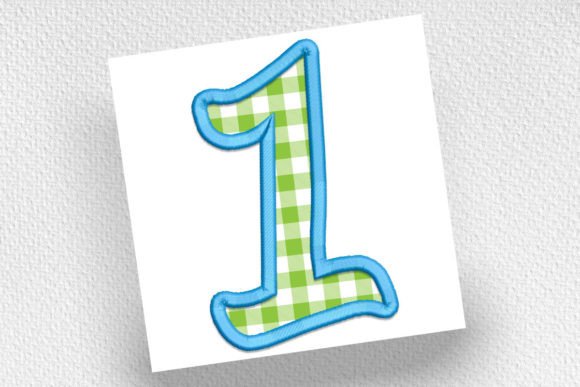
As an embroidery designer who spends weekends hunched over a sewing machine and weekdays planning inventory for handmade markets, I know that not every digital file translates into a sellable product. You can have the most beautiful machine embroidery design, but if it doesn’t photograph well or is a nightmare to produce in bulk, it won’t move off your table. Today, I am reviewing Applique Number 1, a design marketed for adding a personalized touch to clothing, accessories, and home decor. My goal here is to determine if this specific design has the potential to become a top-performing craft fair product or if it remains a nice-to-have item that sits on the shelf.
First Impressions: The "Applique" Factor
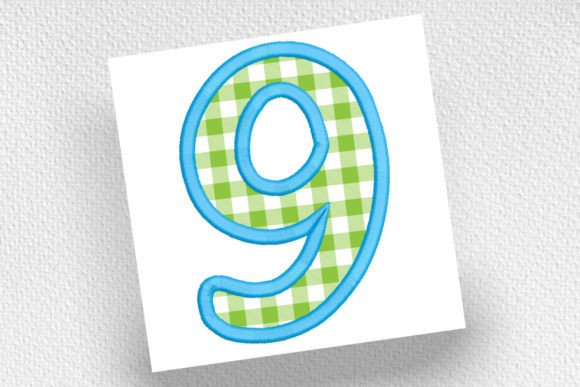
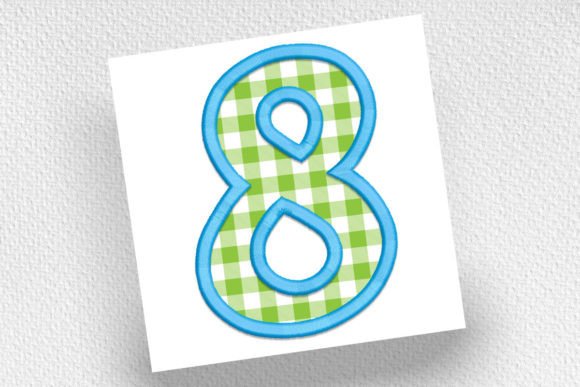
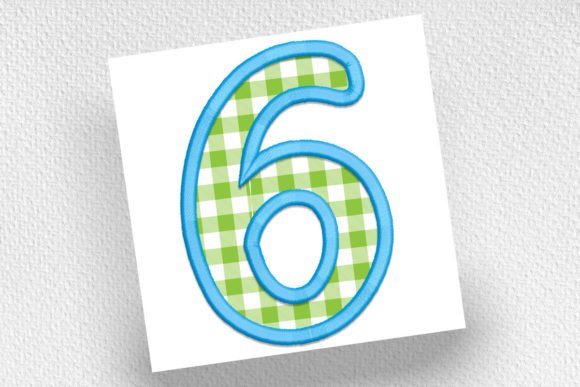
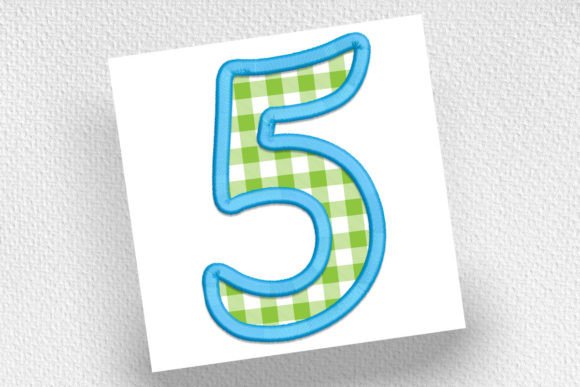
The title "Applique Number 1" suggests a graphic, perhaps numerical or icon-based element rather than a complex floral bouquet or intricate script. In the world of handmade goods, applique styles often read as bold, modern, and slightly rustic. When I look at a design labeled this way, I immediately think of high-contrast visuals that catch the eye from three feet away—a critical distance at a busy craft fair.
For an Etsy seller or booth operator, clarity is king. A design that feels "cute" or "farmhouse" needs to be legible even when stitched small. If Applique Number 1 relies on delicate, tiny details, it may struggle on textured fabrics. However, if it utilizes solid shapes and clean lines, it promises to be a versatile asset for your small shop product line. It feels like a design that leans towards minimal yet decorative, offering a premium look without requiring hours of tedious stitching.
Product Potential: Where Does It Shine?
To maximize sales, you need to match the design to the right substrate. Here is how I see Applique Number 1 performing across various popular handmade categories:
- Tote Bag Design & Market Bags: This is likely the strongest category. A bold applique style looks fantastic on canvas or cotton tote bags. It serves as a focal point that doesn’t get lost in the fabric weave. For a weekend market, these are impulse buys, and a well-stitched graphic adds immediate perceived value.
- Apron Embroidery & Tea Towel Embroidery: Kitchen items are perennial best-sellers. If the design has a playful or functional vibe, it will stand out on a display of linens. Just be mindful of the fabric texture; tea towels can be rough, so ensure the design isn’t too fine to hold its shape after washing.
- Embroidered Patch & Caps: If the design is self-contained and doesn’t require excessive background fill, it works beautifully as a patch or on the front panel of a baseball cap. These items allow customers to take your brand with them, acting as walking advertisements for your commercial embroidery business.
- Pillow Covers & Home Decor: For a more upscale boutique feel, this design could work on neutral-toned pillow covers. It adds a personal touch without overwhelming the room’s aesthetic, appealing to buyers looking for subtle customization.
- Fabric Pouches & Accessories: Small pouches for makeup or tech accessories are great low-cost entry points for new customers. A smaller version of Applique Number 1 can serve as a charming accent here.
Production Practicality and Batch Efficiency
When preparing for a craft fair, time is money. You cannot spend twenty minutes setting up each hoop. One of the biggest advantages of an applique-style design is often its efficiency. Unlike dense satin stitches that take forever to run, applique designs (especially those involving cut-apart pieces) can sometimes be faster to execute or offer a distinct textural advantage that justifies a higher price point.
However, we must discuss stitch density. If Applique Number 1 contains large areas of heavy filling, production speed will drop. Conversely, if it uses fewer stitches with strategic placement, you can churn out units quickly. For batch production, consistency is key. Does the design repeat well? Can you stack multiple hoops efficiently? If the design requires frequent thread changes, it slows down your workflow. Ideally, you want a design that allows for long runs of single-color stitching or easy color jumps to keep your booth stocked.
Visual Appeal and Customer Attention
At a craft fair, your display competes with dozens of other vendors. Applique Number 1 needs to stop the scroll on Instagram and grab attention in person. Designs with strong outlines or contrasting colors tend to perform better because they create visual separation from the background fabric.
Consider the "photographability" of the final piece. Will Applique Number 1 translate well in flat-lay photos for your printable mockup listings? Simple, bold graphics usually photograph better than overly complex patterns that can blur on phone screens. If the design feels premium and intentional, customers perceive the finished product as higher quality, allowing you to command better prices for your handmade product.
Important Considerations for Success
Before committing to mass production for your next market, there are several technical checks you must perform. Ignoring these can lead to customer returns or damaged reputation.
- Test on Scrap Fabric: Never assume a design will work on all materials. Test Applique Number 1 on the exact fabric types you plan to sell—canvas, linen, cotton blends. Observe how the edges finish and if the fabric puckers.
- Check Thread Contrast: Light thread on dark fabric, or vice versa, enhances visibility. Ensure your chosen thread colors provide enough contrast to make the design pop, especially under dim market lighting.
- Review Spacing and Hoop Size: Confirm the hoop size required by the embroidery file. If the design is larger than standard hoops, you may need to re-hoop, which increases labor time. Also, check the spacing; crowded designs lose detail, while overly sparse ones might look unfinished.
- Inspect Stitch Density: High-density areas can cause needle breakage or fabric distortion. If the design is too dense for lightweight fabrics, you will need a heavier stabilizer or a different base material.
- Create Real Mockups: Don’t rely solely on digital renderings. Create at least one real physical sample. This helps you identify issues with thread tension, backing stability, or overall aesthetic balance that software simulations miss.
- Compare Fabric Colors: How does the design look on cream versus white versus navy? Different backgrounds change the mood entirely. Choose the palette that aligns with your brand’s identity.
Final Verdict for the Creative Entrepreneur
Applique Number 1 shows promise as a versatile addition to your portfolio. Its described suitability for personalized touches makes it ideal for the custom gift market, which is huge during holiday seasons and back-to-school periods. By focusing on durable substrates like tote bags and aprons, and ensuring proper technical execution through careful testing, this design can become a reliable revenue stream.
Remember to verify all technical specifications, such as the specific digital embroidery file format and any design assets included, before you begin production. Most importantly, confirm your commercial licensing rights. Selling finished goods requires explicit permission to use the design commercially; failing to check this can lead to serious legal issues. With the right preparation and marketing, Applique Number 1 can help you build a cohesive, attractive booth that draws crowds and converts browsers into buyers.