Oak Leaf Embroidery Design Review
As a designer who spends more time looking at stitch density and fabric tension than I care to admit, I am always skeptical when a new design claims to capture the "magnificent" essence of nature. However, after putting the Oak Leaf embroidery file through its paces for various real-world applications, I found myself pleasantly surprised. This isn't just another generic leaf clipart converted into stitches; it has a distinct visual personality that speaks directly to the heart of autumnal aesthetics.
The product description highlights the special charm and meaningful symbolism of the oak leaf, particularly in the fall season. From a practical design standpoint, this translates to a piece that feels grounded, organic, and timeless. It avoids the overly ornate or cluttered look that plagues many seasonal designs, making it versatile enough for everything from high-end boutique merchandise to heartfelt homemade gifts. If you are an Etsy seller, a small shop owner, or simply a crafter looking to elevate your handmade products, here is my honest breakdown of how this embroidery project performs in the hoop.
First Impressions: Mood and Visual Appeal
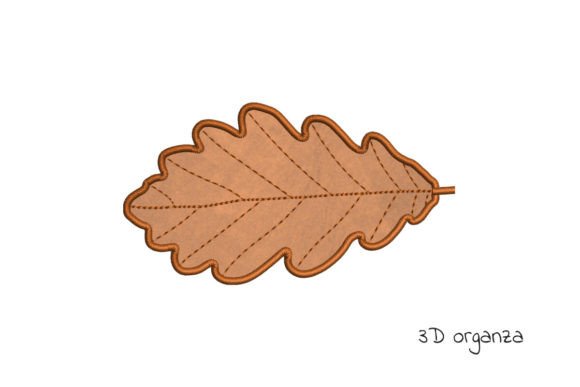
When you first open the digital embroidery file, the layout immediately communicates warmth and nostalgia. The shape of the leaf is recognizable but stylized, capturing the jagged edges and central vein structure without becoming so detailed that it risks losing clarity during stitching. The mood it creates is one of rustic elegance. It doesn’t scream for attention like a bright pumpkin might; instead, it whispers of crisp air, cozy sweaters, and harvest festivals.
This subtlety is exactly why it works so well for custom apparel and personalized gifts. It adds character without overwhelming the garment. Whether you are placing it on the chest of a sweatshirt or centered on a kitchen towel, the design anchors the piece with a sense of natural beauty. For those selling digital product previews or creating printable mockups, this design photographs beautifully because the negative space allows the texture of the thread to shine through, giving customers a realistic expectation of the final result.
Real-World Application: Where Oak Leaf Shines
I tested this machine embroidery design across several categories to see where it fits best in a commercial or hobbyist workflow. Here is where I see the highest potential for success:
- Sweatshirt Embroidery: This is arguably the strongest use case. The oak leaf pairs perfectly with heavyweight cotton blends. When stitched in rich burgundy, mustard, or forest green threads, it creates a premium look that justifies a higher price point for craft business items. It evokes the feeling of a university campus or a cozy cabin, tapping into popular seasonal trends.
- Tote Bag Design: Canvas totes are a staple for creative entrepreneurs. The durability of canvas handles the stitch density well, and the leaf motif adds an artistic touch that moves beyond simple text-based designs. It appeals to book lovers, eco-conscious shoppers, and students alike.
- Baby Embroidery and Nursery Decor: While often associated with fall, the oak leaf’s sturdy shape makes it suitable for gender-neutral baby clothes, blankets, and nursery wall art. It symbolizes strength and growth, which resonates deeply with parents. When used on soft fabrics with gentle thread colors, it becomes a cherished keepsake.
- Kitchen Towels and Aprons: For homemade presentation in a culinary context, this design adds a touch of farmhouse chic. It works exceptionally well as part of a set—perhaps paired with smaller herb motifs or simple borders. It signals quality and thoughtfulness, making it an ideal holiday gift or wedding present.
- Embroidered Patch: The defined edge of the leaf makes it a strong candidate for a standalone patch. Whether attached to denim jackets, backpacks, or caps, it serves as a durable decorative accent that withstands wear and tear.
Technical Considerations and Fabric Compatibility
No design is perfect for every surface, and being transparent about limitations is crucial for maintaining customer trust. While the Oak Leaf design is robust, there are specific scenarios where you need to exercise caution.
Small Hoop Sizes: If you are working with very small hoops (under 4x4 inches), inspect the fine details closely. While the main veins are clear, extremely tight curves might benefit from slight simplification if your machine struggles with precision at that scale. Always test on scrap fabric first.
Textured and Stretchy Fabrics: Avoid using this design on highly textured fabrics like heavy bouclé wool or thin, stretchy jersey knits without proper stabilization. The satin stitch outlining the leaf can pucker if the fabric shifts during stitching. For stretchy materials, a cut-away stabilizer is non-negotiable to prevent distortion.
Dense Stitch Areas: Check the fill stitch density. If you plan to use dark fabrics, ensure your thread colors have enough contrast. Dark blue thread on black fabric will disappear, ruining the visual impact. Conversely, white thread on white fabric may lack definition unless the stitch direction changes significantly to catch the light.
Curved Surfaces: While caps and hats are popular canvases, the flat nature of a single large leaf might not follow the curve of a cap front as naturally as a curved text line. You may need to adjust the placement angle or consider scaling it down slightly to fit the curvature comfortably.
Designer’s Checklist for Success
To ensure your finished product looks professional and sells well, keep these practical tips in mind before you start stitching:
- Test on Scrap Fabric: Never go straight to your final garment. Run the design on a similar fabric type to check for puckering, thread breaks, or alignment issues.
- Review Stitch Density: Look at the underlay and fill stitches. Is it too dense? Too sparse? Adjusting the density settings in your embroidery software can sometimes improve the drape and feel of the finished piece.
- Confirm Hoop Size: Ensure your hoop accommodates the design dimensions with a little extra margin for error. Hitting the edge of the hoop can cause misalignment.
- Inspect Small Details: Zoom in on the digital file. Are any lines too thin to stitch reliably? If so, consider adding a subtle outline or merging nearby elements.
- Black and White Mockups: View your design in grayscale. This helps you assess contrast and balance without the distraction of color, ensuring the composition holds up visually.
- Check Licensing: Before selling finished items or distributing design assets, verify the license terms. Some files are for personal use only, while others allow commercial sales. Clear licensing protects your small business from legal issues.
Final Verdict
The Oak Leaf design is a solid addition to any embroiderer’s library. It strikes a balance between artistic expression and technical feasibility. It is not a flashy, trend-chasing design that will fade in a month; rather, it is a classic motif that aligns with the enduring appeal of nature-inspired decor and fashion.
For apparel decorators and makers, this design offers a low-risk, high-reward option for seasonal collections. It builds brand consistency by offering a recognizable, earthy aesthetic that customers associate with quality and comfort. Whether you are creating a limited run of holiday gifts or expanding your Etsy listings with year-round staples, the Oak Leaf provides a reliable foundation for beautiful, wearable art.
Remember, the success of any embroidery project lies in the execution. Use proper stabilizers, choose high-quality threads, and pay attention to the fabric texture. When done correctly, this design will produce a finished product that feels substantial, thoughtful, and genuinely handmade—a quality that modern consumers value above all else.