Fish Tail Font Embroidery Review
As an embroidery designer who has spent years turning digital files into tangible keepsakes, I approach every new font with a mix of excitement and skepticism. The market is saturated with options, but few capture that specific blend of whimsy and elegance required for high-end personalized gifts. Recently, I put the Fish Tail Font to the test. My goal was simple: determine if this machine embroidery design is viable for my own small business’s upcoming collection of custom orders, or if it belongs in the "maybe later" folder.
This review is not just about aesthetics; it is about production viability, customer appeal, and the emotional resonance of the finished product. If you are an Etsy seller, a craft fair exhibitor, or a boutique owner looking to expand your catalog, read on to see how Fish Tail Font performs under real-world conditions.
First Impressions: Mood and Charm
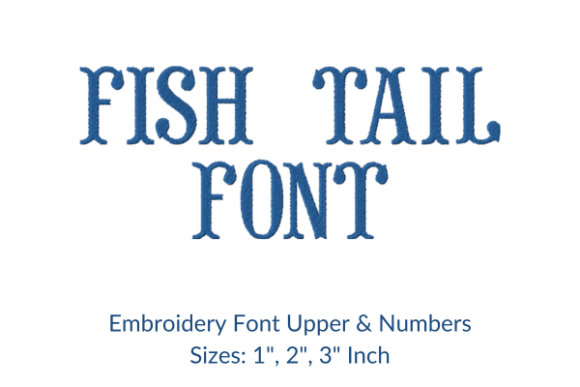
When I first opened the embroidery file, the immediate takeaway was its playful yet sophisticated character. The name "Fish Tail" suggests movement, fluidity, and a touch of aquatic whimsy. In practice, the letterforms possess a gentle curve that mimics the sweep of water or a fin, giving the text a sense of motion even when stitched statically.
The mood is undeniably sweet and romantic, making it an excellent candidate for baby-related products. It feels handmade without being messy, which is crucial for maintaining a professional appearance. Unlike some script fonts that can look chaotic or difficult to read, Fish Tail Font maintains clear legibility while retaining its artistic flair. It strikes a balance between classic elegance and modern playfulness, a combination that resonates deeply with parents looking for nursery decor and couples seeking unique wedding gifts.
Application Scenarios: Where This Design Shines
To truly understand the value of this embroidery font, I simulated several common gift scenarios. Here is how the design translated across different mediums.
Baby Embroidery and Nursery Decor
This is perhaps the strongest use case for Fish Tail Font. Imagine a soft, organic cotton muslin blanket embroidered with a child’s name. The fluid lines of the font complement the softness of the fabric, creating a cohesive visual experience. It works beautifully for:
- Nursery Wall Hangings: Framed pieces featuring names or short quotes like "Little Dreamer."
- Bib Sets: Personalized initials that add a touch of class to everyday items.
- Blanket Embroidery: Large-scale monograms or full names along the hem.
The font’s charm enhances the perceived value of these items. Customers are often willing to pay a premium for designs that feel both personal and artistically crafted.
Wedding Gifts and Keepsakes
While playful, Fish Tail Font also carries enough elegance to suit wedding-related items. I tested it on linen napkins and guest book covers. The font adds a romantic, storybook quality to these pieces. It is particularly effective for:
- Custom Tote Bags: For bridal party gifts or welcome bags.
- Kitchen Towels: Personalized sets for newlyweds.
- Pillow Covers: Accent pillows with dates or names.
The emotional connection here is strong. A wedding gift embroidered with a font that feels hand-drawn and unique stands out against mass-produced alternatives.
Etsy Listings and Small Shop Products
For digital product sellers and physical goods creators alike, Fish Tail Font offers versatility. It works well in printable mockups for listing previews, allowing customers to visualize the final result. As a commercial embroidery option, it helps differentiate your brand. In a crowded marketplace, distinctive typography is key to capturing buyer engagement.
Production Challenges and Careful Considerations
No design is perfect, and as a professional, I must highlight where Fish Tail Font requires caution. While beautiful, certain applications can lead to frustration during production.
Delicate Details and Small Lettering
The font features intricate curves and thin strokes. When scaled down too small, these details can merge, resulting in a muddy appearance. I advise against using this font for tiny initial tags or very small text on busy patterns. Always check small details after stitching to ensure clarity.
Fabric Texture and Thickness
Textured fabrics pose a significant challenge. On thick towels or heavily woven materials, the fine lines of the fish tail design may get lost or distort. Similarly, stretchy baby clothes require careful stabilizer usage to prevent puckering. If the fabric stretches during stitching, the delicate curves of the font will warp, ruining the aesthetic.
Color Contrast and Dark Fabrics
Light thread colors on dark fabric can struggle to maintain definition with this font. The thin lines may disappear into the weave. I recommend testing thread color contrast extensively before committing to a full order. High-contrast combinations (e.g., white thread on navy blue) work best to preserve the font’s intricate details.
Impact on Giftability and Perceived Value
One of the most critical aspects of selling personalized gifts is the "unboxing" experience and the visual appeal of the finished product. Fish Tail Font significantly boosts perceived value. Because the font looks custom-designed rather than generic, customers perceive the item as more luxurious and thoughtful.
This font enhances emotional connection by adding a layer of artistry that standard block letters cannot achieve. It signals to the buyer that care was taken in the creation process. For handmade product creators, this translates directly into higher conversion rates and positive reviews. Buyers are drawn to the uniqueness of the design, which fosters trust in your brand’s quality.
Practical Embroidery Notes for Success
To ensure your projects with Fish Tail Font are successful, follow these practical steps based on my testing:
- Test on Scrap Fabric: Never start on the final product. Test stitch on the exact fabric type you plan to use to assess tension and stability.
- Confirm Hoop Size: Ensure your hoop size accommodates the design dimensions without unnecessary trimming or re-hooping.
- Review Stitch Density: High density can make the fabric stiff, especially on baby items. Check the stitch count and adjust if necessary to maintain fabric softness.
- Use Proper Stabilizer: Cut-away stabilizers are recommended for durability, especially for items that will be washed frequently. Tear-away may suffice for one-time use decorations.
- Compare Mockups: Create light and dark fabric mockups to preview how the design interacts with different color palettes.
- Check Commercial Licensing: Before selling finished products, verify the license terms associated with the digital embroidery file. Some fonts restrict commercial use or require specific attribution.
Final Verdict
Fish Tail Font is a standout choice for embroidery designers focusing on personalized gifts. Its blend of whimsy and elegance makes it suitable for a wide range of products, from baby blankets to wedding keepsakes. However, success depends on careful execution. By paying attention to fabric selection, thread contrast, and stabilizer usage, you can leverage this font to create high-quality, emotionally resonant products that stand out in any shop.
If you are looking to add a touch of romance and playfulness to your embroidery portfolio, Fish Tail Font is definitely worth integrating into your workflow. Just remember to test thoroughly and prioritize detail preservation to deliver the premium quality your customers expect.